
Why Many Students Seem Lost — And Why Early Support Matters
Sometimes behaviour is not the real problem. Sometimes behaviour is the signal.
Sometimes behaviour is not the real problem.
A student who becomes withdrawn, emotionally reactive, constantly distracted, disrespectful, anxious, or heavily influenced by others may not simply be “misbehaving.”
They may be struggling internally.
Many children today quietly carry emotional stress, social pressure, identity confusion, fear of rejection, emotional exhaustion, and low self-control.
But most adults only notice behaviour after the struggle has already become visible.
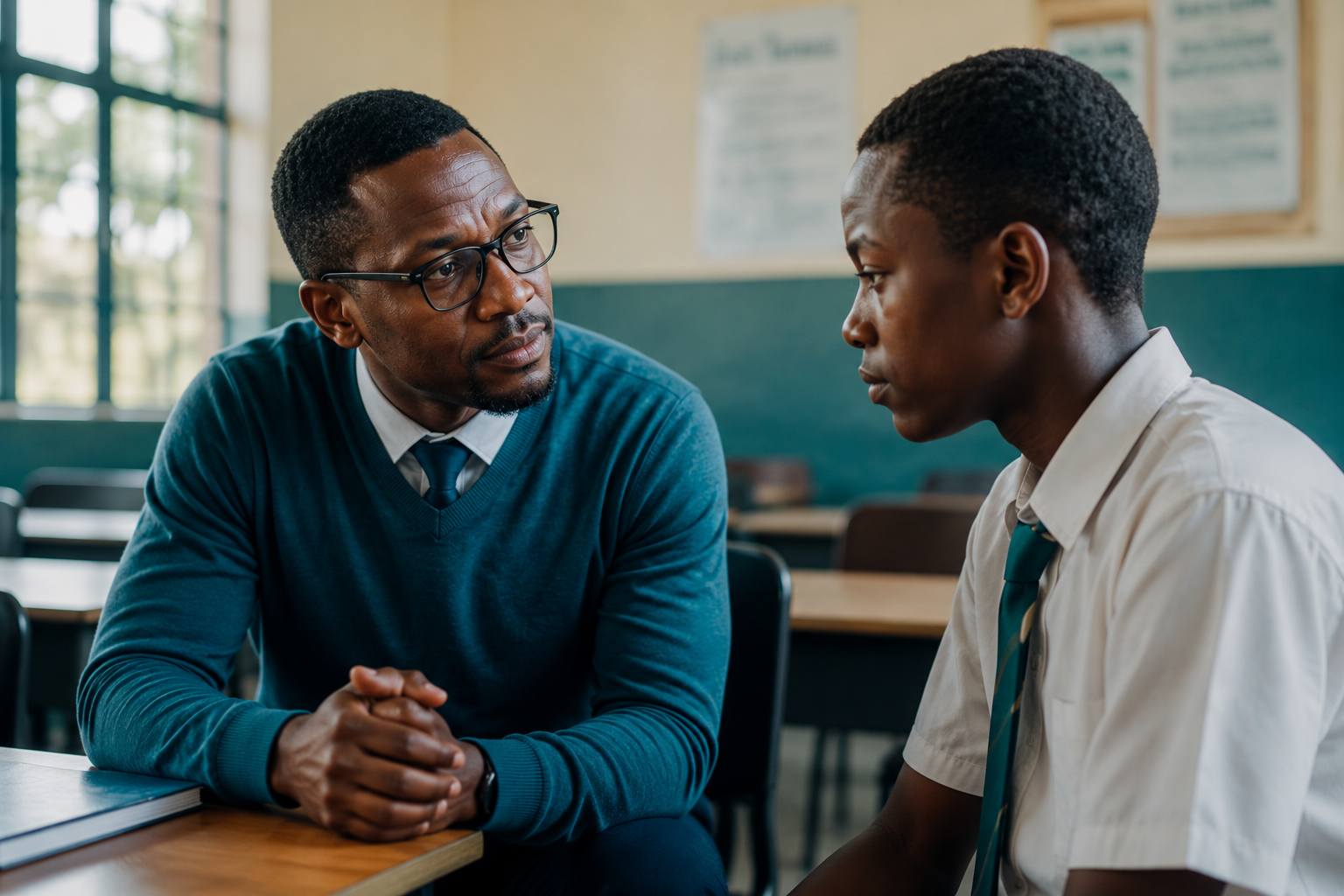
Why Should Parents Care?
Because children do not always know how to explain what they are feeling.
Sometimes emotional struggle appears as anger, silence, poor decisions, withdrawal, emotional outbursts, laziness, distraction, or negative influence.
A child may look “difficult” on the outside while struggling deeply on the inside.
Pressure
Some students follow others because they fear rejection, isolation, or social pressure.
Emotional Overload
Many children do not yet have healthy tools for handling stress, emotion, or identity confusion.
Reaction Instead of Reflection
Without guidance, students often react emotionally before thinking clearly.
Over time, repeated unhealthy behaviour can slowly shape identity.
How Behaviour Escalates Over Time
Behaviour Escalation Journey
Behaviour problems usually develop gradually — not suddenly.
Pressure
Academic, emotional, social, or personal pressure begins building internally.
Emotional Stress
Stress becomes harder to manage and emotions begin affecting wellbeing.
Poor Decisions
Emotional pressure starts affecting judgement and behaviour choices.
Repeated Behaviour
Reactions slowly become repeated behavioural patterns and habits.
Identity Patterns
Repeated behaviour slowly shapes self-belief and identity over time.
What Nyumba Yetu Is Trying To Do Differently
Nyumba Yetu is not built around punishment, shame, or surveillance.
It is built around:
- early support
- healthy accountability
- emotional awareness
- identity development
- behaviour improvement over time
The goal is to help schools and parents recognise when a child may be struggling before situations escalate further.
Concerned about student wellbeing, behaviour, or emotional pressure?
Nyumba Yetu helps schools and families support children before behavioural struggles become deeper emotional and identity struggles.
Learn More About Nyumba Yetu